
Tags
Many people wonder why the success of Ethiopia’s Grand Renaissance Dam (GERD) isn’t celebrated more widely by developed countries. After all, this is not just a dam—it’s Africa’s largest hydroelectric project, designed to generate over 5,000 megawatts of clean energy and reshape the region’s energy future.
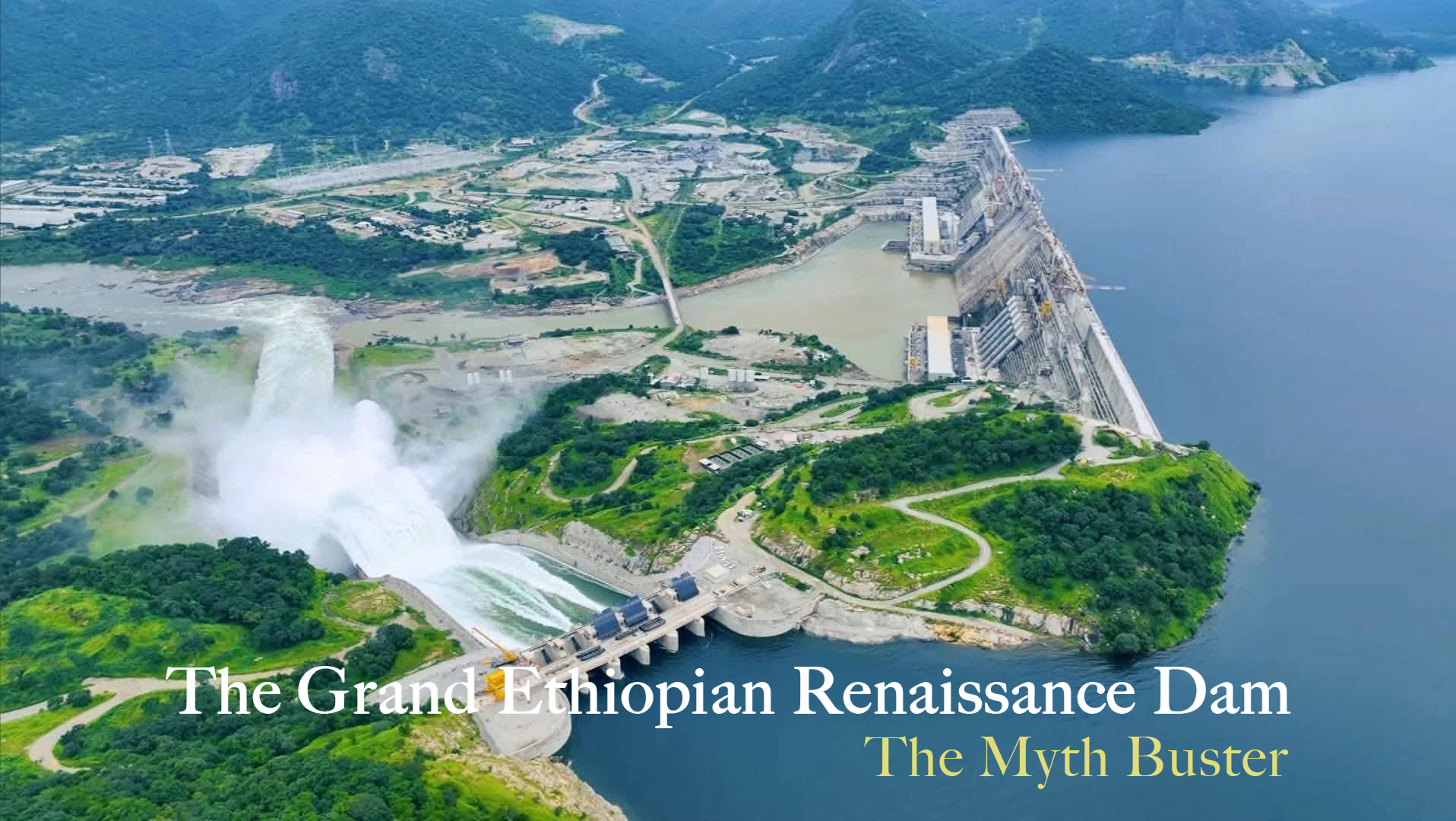
Every notable voice I heard and every credible institution I read seemed certain this mega project would never come to fruition. Time and again, their shallow estimations proved wrong. GERD has been completed and now stands as a shining example of how a developing nation can plan, fund, and execute a mega project without the blessing or micromanagement of Western banks or global institutions. Simply put, GERD is more than a hydropower plant—it is a symbol of confidence and a declaration that “it is possible” for developing countries to achieve success and shatter long-standing myths of dependency.
At first, critics dismissed GERD as a “white elephant project,” claiming it was the wishful thinking of an African government and lacked proper feasibility studies. When that argument failed, they predicted financial collapse, closing their banks and refusing funding. Yet Ethiopia pressed on—powered by the contributions of government institutions, ordinary citizens, and the diaspora. Brick by brick, the dam took shape.
When financing wasn’t the hurdle they hoped for, detractors played the corruption card. But it didn’t slow the project. Years passed, water began to rise behind the dam, and serious opponents shifted focus again—this time to political instability. They argued Ethiopia’s internal conflicts would derail the project. That prediction, too, failed.
Their final attempt was to invoke “environmental and social opposition,” but even here GERD emerged strong. Far from being an environmental threat, the dam offers numerous benefits: it produces clean, renewable energy; improves water management; reduces deforestation and land degradation; and creates opportunities for ecosystem restoration and regional climate cooperation.
GERD has faced and overcome countless challenges, standing tall as a mega project envisioned, funded, and completed by a developing country. It is a profound source of pride for Ethiopia and Africa as a whole—a myth buster to the colonial mentality that insists, “you are nothing without us.”
As Nelson Mandela once said: “It always seems impossible until it’s done.” Much love and respect to those who turned this vision into a reality.
 yadesabojia.com